

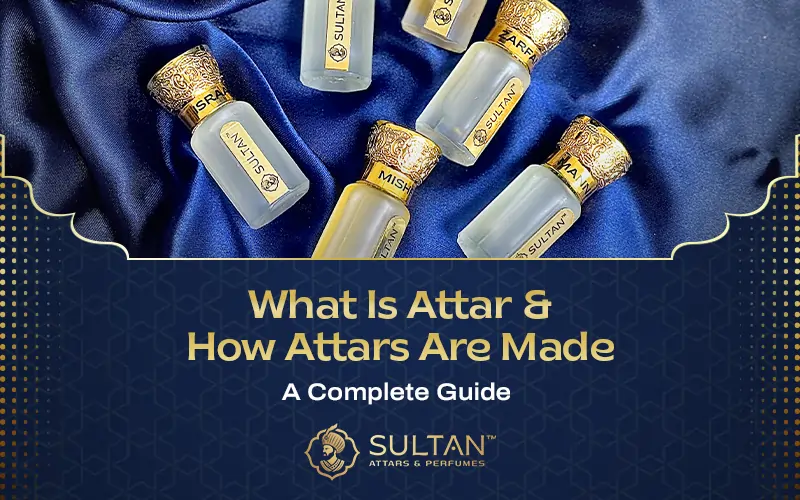
What Is Attar and How Attars Are Made A Complete Guide
Attar is more than just a fragrance. It is an art form. It is a whisper of history on the skin. This ancient craft has roots deep in the soil of India.
Attars are natural perfume oils. They offer a powerful alternative to modern alcohol-based perfumes. They stand for purity and tradition. To truly appreciate attar, one must understand its origin.
We must explore the centuries-old method of its creation. This process is meticulous. It is known as the Deg Bhabka method.
This guide will take you through the magical journey. It starts from a fragrant flower. It ends as a highly concentrated, precious oil.
Understanding this process explains why certain attars are considered the most long-lasting attars in the world. It also reveals the value proposition of these concentrated perfumes.
What Exactly is Attar?
The word 'attar' (or 'ittar') comes from the Arabic word 'itr'. This means "perfume" or "essence." Attar is a natural, essential oil. It is derived from botanical sources. These sources include flowers, herbs, spices, and exotic woods.
The unique feature of attar is its base. It is typically distilled into a base of pure, aged sandalwood oil. Other neutral vegetable oils can sometimes be used. However, sandalwood is the gold standard.
The key difference between attar and modern perfume is alcohol. Modern perfumes rely heavily on alcohol. Alcohol acts as a carrier and helps diffuse the scent. Attars are entirely alcohol-free.
This lack of alcohol means the scent profile is vastly different. It develops slowly. It stays close to the skin. It lasts for an extraordinary amount of time. The oil molecules bind to the natural oils in your skin.
This creates a deeply personal and enduring aroma. The complexity of these oils is why specific deep, woodsy blends are celebrated as the best attars for men.
Attar is an investment. It’s important to understand the manufacturing process. This knowledge helps us appreciate why certain blends command a high price. The traditional approach ensures that the resulting product is one of the most long-lasting attars available globally.
The History
The practice of making natural perfume oils is ancient. It dates back thousands of years. Early evidence of distillation technology exists in the Indus Valley Civilization.
Attar-making as we know it flourished during the Mughal Empire. Kannauj, a city in Uttar Pradesh, India, became the undisputed capital of Indian perfumery.
Mughal emperors and empresses were patrons of this craft. They commissioned unique scents. These were used not only on the body. They also scented their clothes, rooms, and fountains.
The legend of Noor Jahan, the Empress, discovering rose attar is famous. The art was refined over centuries. It moved from royal use to a form of traditional wellness. Today, this tradition is preserved by a few dedicated families in Kannauj. They guard the secrets of creating these sublime premium attars for women and men alike.
The Deg Bhabka
The making of attar is painstakingly slow. It is entirely dependent on nature. The central technology has remained unchanged for centuries.
This traditional hydro-distillation method is called Deg Bhabka. It is a perfect fusion of chemistry and craft. It ensures the integrity and purity of the natural essence.
1. Preparation of Raw Materials
The process begins with harvesting. Flowers like Rose, Jasmine, or Tuberose must be picked at a specific time. Often, this is just before sunrise. This is when their essential oil concentration is highest.
Ingredients like Sandalwood, Vetiver, or various spices are prepared. They are often crushed or soaked beforehand. The quality of the raw material is paramount. It determines the final quality of the long-lasting attars.
2. The Deg (The Still)
The 'Deg' is the main part of the apparatus. It is a large, sturdy copper vessel. Copper is chosen for its excellent heat distribution properties. The copper ensures uniform heating. This prevents the delicate plant material from burning.
The raw material (e.g., millions of fresh rose petals) is placed inside the Deg. A precise amount of water is added. The ratio of material to water is crucial. It is a guarded secret of each artisan family.
3. The Bhapka (The Receiver)
The 'Bhapka' is the receiving vessel. It is also made of copper. The Bhapka serves a dual purpose. It is a condenser. It is also the vessel where the final attar forms.
Inside the Bhapka, the base oil is pre-loaded. This is almost always pure Sandalwood oil. Sandalwood is expensive. However, it is essential. It acts as an absorbent medium. It captures the fragrant vapor.
It also acts as a natural fixative. This makes the resulting attar deeply resonant. This fixative property is what makes attar so celebrated among the top unisex fragrances.
4. The Chonga (The Connector)
The Deg and the Bhapka are connected. They are linked by a bamboo pipe called a 'Chonga'. This pipe is carefully sealed into the vessels. The seal is often achieved using cotton and a special clay mixture. This ensures a tight seal. No precious vapor is allowed to escape.
5. The Distillation Cycle (Rous)
The Deg is heated from below. This is traditionally done using wood fire or cow dung cakes. The fire must be precisely controlled.
The temperature is regulated entirely by intuition and experience. There are no gauges. The master distiller monitors the pressure and temperature. They listen to the gentle bubbling sound inside the Deg.
As the water boils, steam carries the volatile aromatic molecules upward. This fragrant steam travels through the Chonga. It enters the Bhapka. The Bhapka is usually submerged in a cooling tank of water. This rapid cooling condenses the steam. The vapor turns back into liquid (hydrosol and essential oil).
The essential oil, being less dense, floats on the hydrosol inside the Bhapka. The sandalwood oil patiently absorbs the fragrant molecules.
This is a very slow process. A single cycle, called a 'Rous,' can last for several hours. Sometimes, the process takes days. This attention to detail is why attar-making is a true artisanal craft. It results in some of the most potent and long-lasting attars.
6. Separation and Maturation
After the Rous is complete, the fragrant sandalwood oil is carefully separated. The raw attar oil is transferred. It is placed into leather bottles (known as 'kuppis').
Maturation is the final, crucial step. The attar must age. This can take weeks, months, or even years. The leather kuppis play an important role. They draw out any residual moisture. They allow the different molecules to integrate fully.
This ageing process deepens the scent. It smoothens the sharp edges. This meticulous care in ageing ensures that the deep, resonant notes are fully developed. It distinguishes the truly premium attars for women from simpler perfume oils.
Why Choose Attar Over Modern Perfume?
The laborious Deg Bhabka process yields a product with distinct advantages. These benefits explain the enduring appeal of attars in the modern age.
A. Natural Purity
Attars are 100% natural. They contain no synthetic chemicals. They are free from harsh alcohol. This makes them ideal for sensitive skin. They are non-irritating. The user experiences the true scent of nature.
There are no synthetic fixatives or enhancers. This purity is why many users only wear attar.
B. Longevity and Depth
Due to the high concentration, attars are incredibly potent. They are known for their exceptional longevity. A single drop can last for a whole day. The scent evolves on the skin. It does not hit you with a big initial burst like an alcohol spray.
It unfolds gently. It reveals different layers of notes over time. This makes them uniquely satisfying for those who prize long-lasting attars.
C. Therapeutic Connection
Many raw materials used in attars have documented therapeutic benefits. Rose oil is calming. Sandalwood is grounding.
Vetiver is cooling. Wearing an attar can be a form of passive aromatherapy. This adds a holistic layer to the wearing experience.
Attars like pure rose and jasmine are considered premium attars for women due to their traditional association with luxury and well-being.
A Spectrum of Scents: Categories and Usage
Attars are broadly categorized based on their dominant notes and seasonal use.
1. Floral Attars
These are derived directly from flowers. They are perhaps the most popular category. Examples include Rose (Gulab), Jasmine (Mogra), and Kewda.
- Rose Attar: Often considered a classic. Its rich, deep sweetness makes it versatile. Rose attar is often listed among the top unisex fragrances.
- Jasmine Attar: Intensely sweet and intoxicating. It is historically a favorite among premium attars for women.
2. Woody and Earthy Attars
These scents are heavier and often used in cooler months. They are deeply grounding.
- Oudh (Agarwood): This is one of the most expensive and revered materials. It is smoky, leathery, and deeply complex. Oudh remains one of the best attars for men.
- Mitti Attar: This is unique. It captures the scent of rain on dry earth (petrichor). The process involves distilling baked clay into sandalwood oil. The complexity of Shamama or Mitti makes them standout entries in the list of top unisex fragrances.
3. Herbal and Spicy Attars
These are often complex blends (Shamama). They use a mix of herbs, spices, and flowers. They provide a warm, often resinous profile. For those seeking a signature scent that projects authority and depth, researching the best attars for men is a rewarding journey.
Using Attar Correctly
Attar application is simple. It requires only a small amount. Do not rub the oil aggressively. Gently dab a drop on your pulse points.
These are the wrists, behind the ears, and the base of the throat. The warmth of these areas helps subtly diffuse the scent throughout the day. The oil concentration ensures the scent will be exceptionally long-lasting attars.
Blends that feature clean, green notes and light musk often dominate the list of top unisex fragrances.
Attar in the Modern World
The modern fragrance market is dominated by fast fashion and synthetic compounds. Yet, attar is experiencing a renaissance. Consumers are seeking authenticity. They want products that tell a story. Attar provides this narrative.
The search for the best attars for men often leads them back to traditional Oudh and Amber blends. These provide the longevity and sophisticated depth that synthetic alternatives struggle to match.
Simultaneously, sophisticated floral-woody blends, often based on Mysore Sandalwood, are the definition of premium attars for women who desire natural luxury.
Traditional Mogul scents, rich with complex florals and amber, define the category of premium attars for women. The modern market is also increasingly interested in gender-neutral scents.
This trend drives innovation in the creation of top unisex fragrances. Whether you prefer rose or oudh, you’ll find that the oil concentration makes them exceptionally long-lasting attars. Ultimately, the choice is personal, but many agree that the best attars for men balance spice, wood, and a hint of sweetness.
Conclusion
Attar is a magnificent example of how human ingenuity and respect for nature can create timeless luxury. It is a slow, patient craft in a fast-paced world. Choosing an attar is an intentional act. It is a commitment to natural ingredients and centuries of heritage. It is not about filling the room with a massive scent cloud. It is about a rich, deep, and personal experience.
For those new to the world of natural oils, exploring the various types is recommended. For a balanced, versatile choice, explore the top unisex fragrances. For deep, commanding scents, the market provides superb best attars for men. If you desire soft, luxurious florals, you will find exquisite premium attars for women. Finding a quality supplier is crucial for authentic, long-lasting attars.
Begin your journey into timeless perfumery. Browse Sultan Attars and choose the scent that defines you.